Pakistan · Physics
Punjab Board Class 10 Physics
Chapters 10 to 21 of the new (NC 2023) English-medium book.
Textbook: PECTAA Physics 10, National Curriculum of Pakistan 2023 (experimental edition) · for exams in 2027
- Topics
- 85
- Topic guides
- 85
- Simulations
- 50
- Exam-style questions
- 266
The new Punjab Class 10 Physics book carries straight on from Class 9, so its twelve chapters are numbered 10 to 21. It starts with heat and waves, moves through light, static and current electricity and electromagnetism, and ends with electronics, the nucleus and the Earth in space. Each chapter here sets out its topics next to the section numbers printed in the book, which makes it quick to match a page of your book to a page of notes.
Topic guides give plain-English notes, solved numericals, MCQs with explanations and board-style questions, beginning with Chapter 16 (Electricity) and Chapter 17 (Electromagnetism). Wherever an idea is easier to watch than to read about, the topic links to a simulation that runs in your browser.
In short
Which chapters does the new Punjab Class 10 Physics book have?
Twelve, numbered 10 to 21 because the book follows on from Class 9: thermal physics (10), transfer of thermal energy (11), waves (12), sound (13), light (14), electrostatics (15), electricity (16), electromagnetism (17), electromagnetic induction and electromagnetic waves (18), electronics (19), atomic and nuclear physics (20), and space and environment (21).
What the course covers
Work through the chapters in order, or go straight to the one you are revising. Every topic links to the simulation that shows it.
- Chapter 11
Transfer of thermal energy
- Conduction
- Convection in liquids and gases
- Heat transfer by radiation
- Thermal insulation and the vacuum flask
- Greenhouse effect
- Chapter 13
Sound
- Production and propagation of sound
- Speed of sound
- Loudness, pitch and quality of sound
- Musical sounds, noise and noise pollution
- Reflection of sound (echo)
- Refraction and diffraction of sound
- Audible frequencies, ultrasound and infrasound
- Acoustic protection of buildings
- Chapter 14
Light
- Reflection of light and the plane mirror
- Refraction of light and refractive index
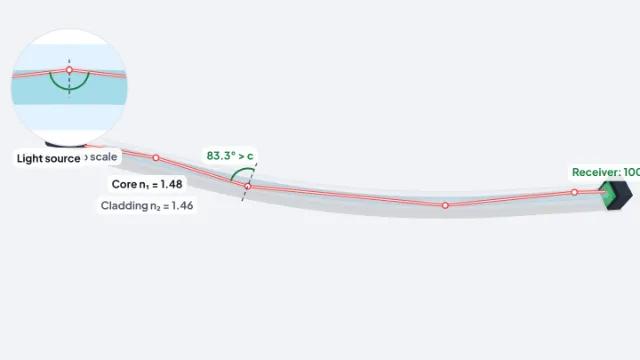
- Total internal reflection and critical angle
- Optical fibre
- Thin lenses and power of a lens
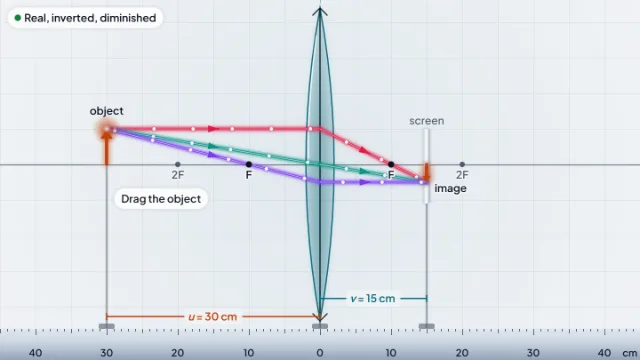
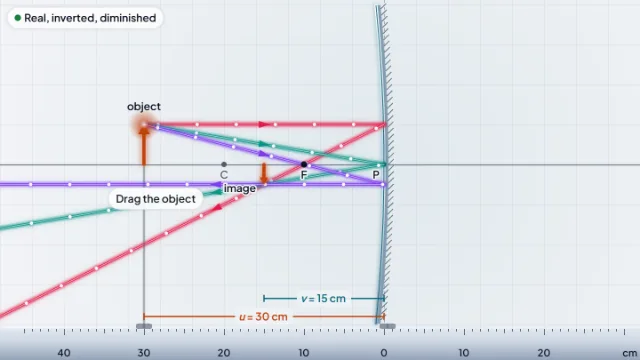
- Image formation by lenses and mirrors
- Optical devices
- The eye, short sight and long sight
- Gravitational lens and acoustic lens
- Dispersion of light by a prism
- Chapter 16
Electricity
- Electric current, a.c. and d.c.
- E.m.f. and potential difference
- Ohm's law
- Resistors in series and parallel
- Resistivity and the effect of temperature on resistance
- Potential divider, thermistors and LDRs
- Resistor colour codes
- Electric power and Joule's law
- Kilowatt-hour and the cost of electricity
- Household circuits and electrical safety
- Chapter 17
Electromagnetism
- Magnetic field of a current: straight wire and solenoid
- Forces between parallel current-carrying wires
- Force on a current-carrying conductor
- Turning effect on a current-carrying coil
- The d.c. electric motor
- Relays and loudspeakers
- Earth's magnetic field
- Chapter 18
Electromagnetic induction and electromagnetic waves
- Electromagnetic induction, Faraday's law and Lenz's law
- A.C. generator
- Transformer
- Deflection of an electron beam in electric and magnetic fields
- Waveforms on an oscilloscope
- Scattering of light in the atmosphere
- Particle nature of light (photons)
- Chapter 19
Electronics
- Semiconductors, p-n junction diode and LED
- Analogue and digital electronics
- Boolean logic
- Logic gates and their uses
- Chapter 20
Atomic and nuclear physics
- Atomic structure and Rutherford's experiment
- Atomic nucleus: proton number and mass number
- Isotopes
- Radioactivity: alpha, beta and gamma radiation
- Radioactive decay and decay equations
- Nuclear reactions: fission and fusion
- Interconversion of matter and energy (E = mc²)
- Half-life and carbon dating
- Effects and uses of nuclear radiation
- Chapter 21
Space and environment
- The Sun and planetary data
- How cyclones form
- Global warming, extreme weather and geothermal activity
- Radiation exposure and background radiation
MCQs by chapter
Every multiple-choice question from a chapter on one page, with answers, explanations and a score at the end.
- Chapter 10: Thermal physics48 MCQs
- Chapter 11: Transfer of thermal energy30 MCQs
- Chapter 12: Waves36 MCQs
- Chapter 13: Sound48 MCQs
- Chapter 14: Light60 MCQs
- Chapter 15: Electrostatics42 MCQs
- Chapter 16: Electricity60 MCQs
- Chapter 17: Electromagnetism42 MCQs
- Chapter 18: Electromagnetic induction and electromagnetic waves42 MCQs
- Chapter 19: Electronics24 MCQs
- Chapter 20: Atomic and nuclear physics54 MCQs
- Chapter 21: Space and environment24 MCQs
Simulations for this course
See each idea move before you read about it. They all run in your browser, free.
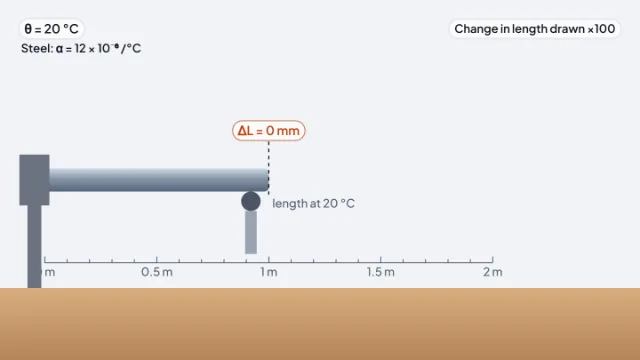
- Thermal expansionChapter 10: Thermal physics
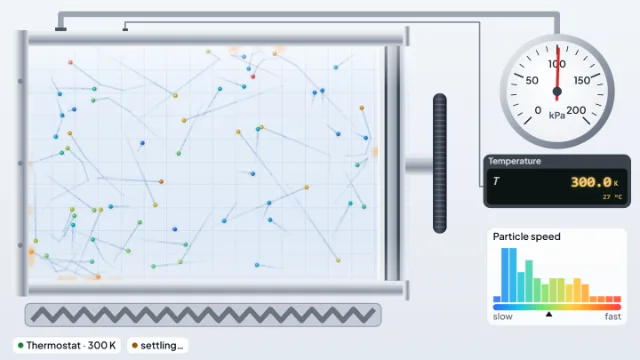
- Gas laws and particlesChapter 10: Thermal physics
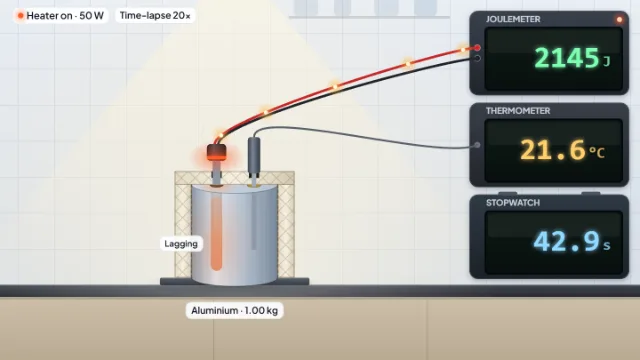
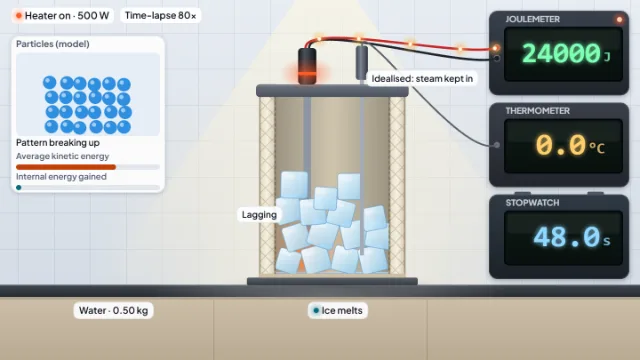
- Specific heat capacityChapter 10: Thermal physics
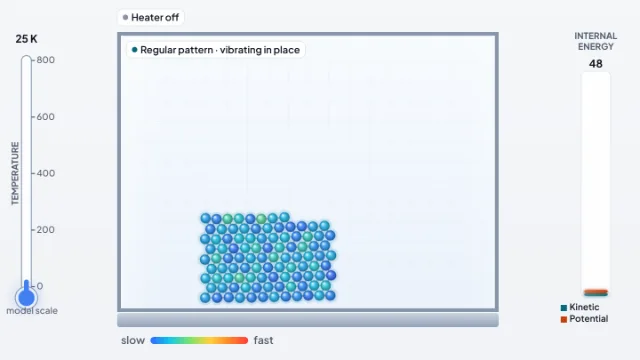
- Particle model and states of matterChapter 10: Thermal physics
- Latent heat and heating curvesChapter 10: Thermal physics
- Superconductor levitation in 3D (a cold superconductor floating and locking above a magnet)Chapter 10: Thermal physics
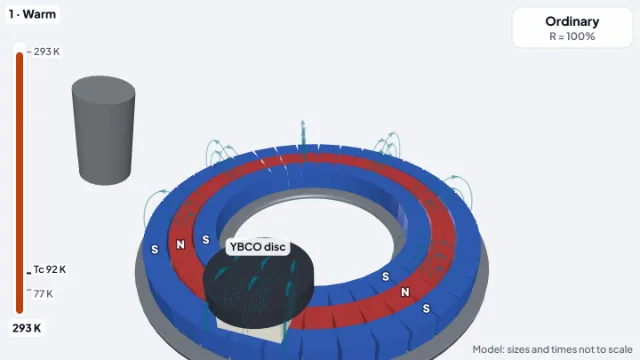 3D
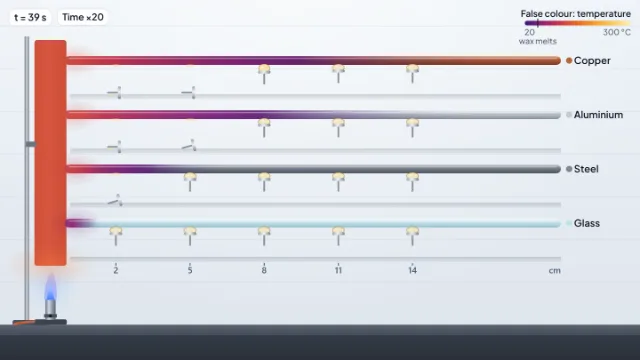
- Conduction, convection and radiationChapter 11: Transfer of thermal energy
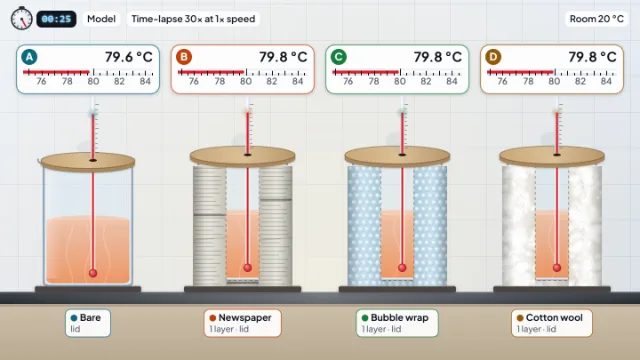
- Thermal insulation and cooling curvesChapter 11: Transfer of thermal energy
- Electromagnetic spectrumChapter 11: Transfer of thermal energy
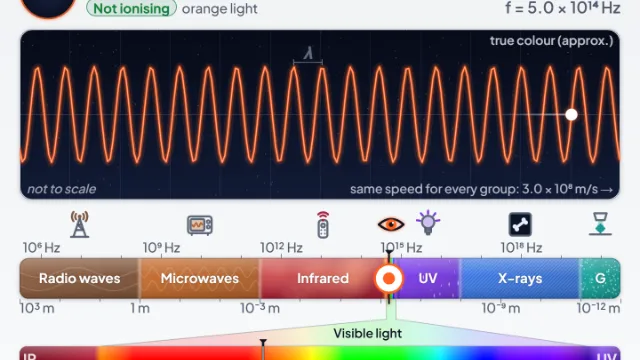
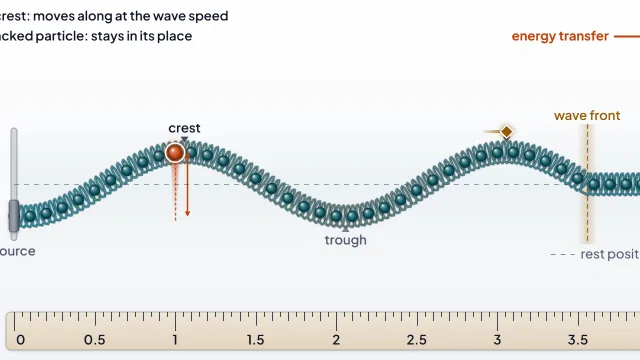
- Transverse and longitudinal wavesChapter 12: Waves
- Electromagnetic wave in 3DChapter 12: Waves
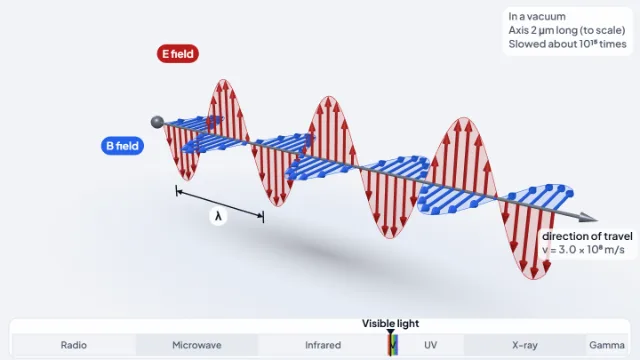 3D
- Ripple tankChapter 12: Waves
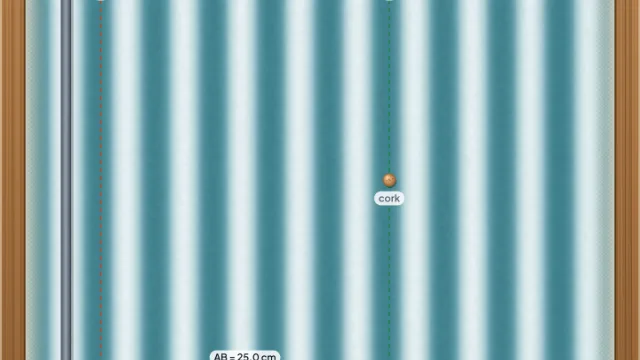
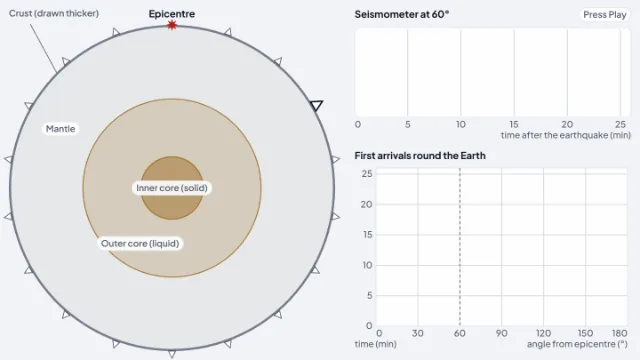
- Seismic wavesChapter 12: Waves
- Sound waves and the oscilloscopeChapter 13: Sound
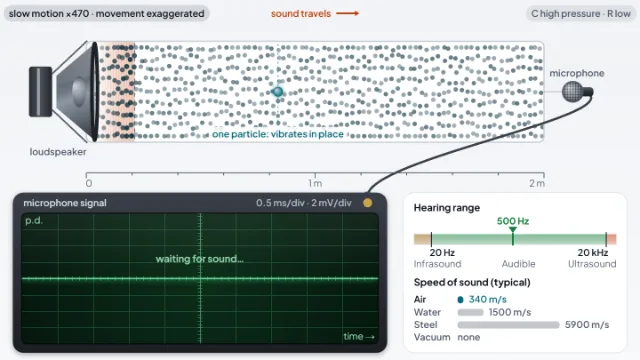
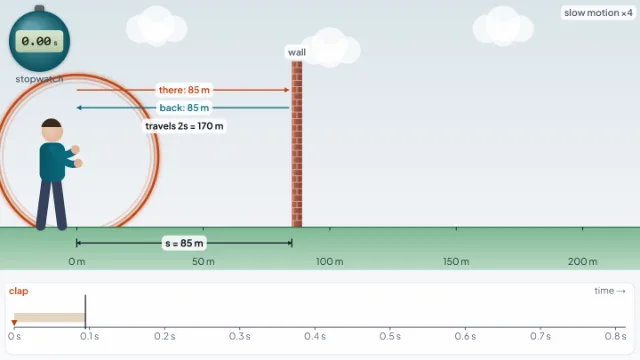
- Speed of sound and echoesChapter 13: Sound
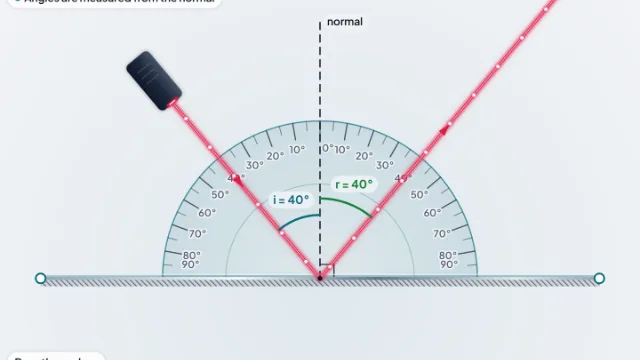
- Reflection in a plane mirrorChapter 14: Light
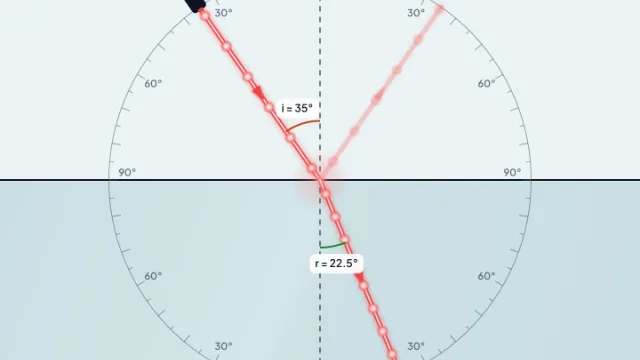
- Refraction and Snell's lawChapter 14: Light
- Optical fibresChapter 14: Light
 3D
- Lenses and ray diagramsChapter 14: Light
- Curved mirrorsChapter 14: Light
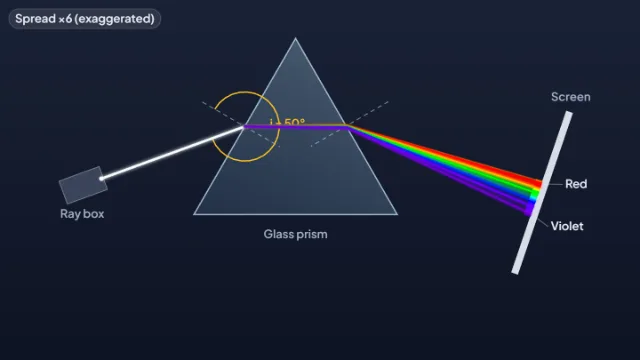
- Dispersion, prisms and colourChapter 14: Light
- Static electricity and electric fieldsChapter 15: Electrostatics

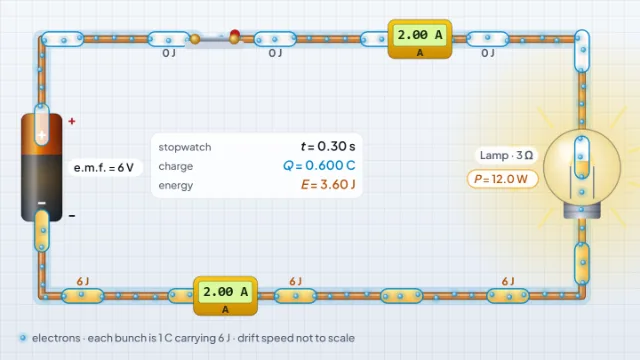
- Charge, current, energy and powerChapter 16: Electricity
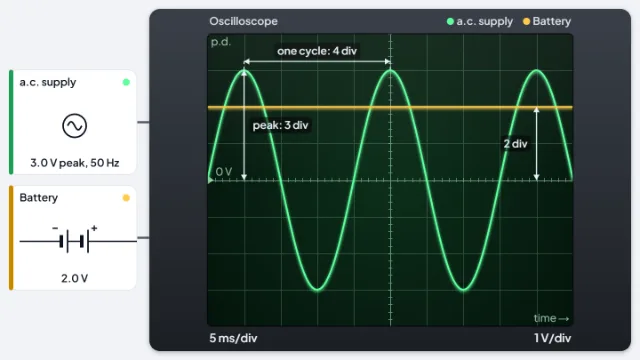
- AC and DC on an oscilloscopeChapter 16: Electricity
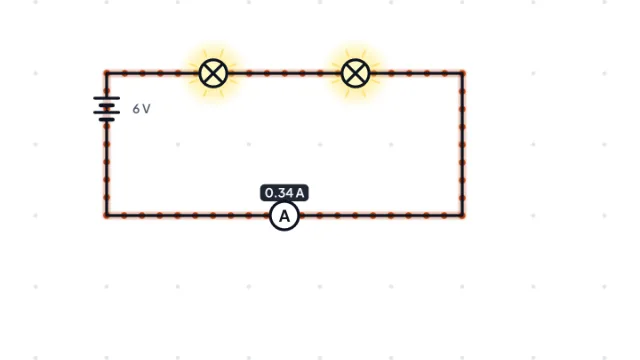
- Circuit builderChapter 16: Electricity
- I–V characteristicsChapter 16: Electricity
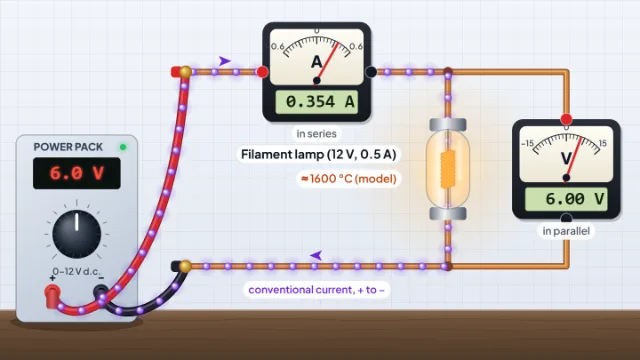
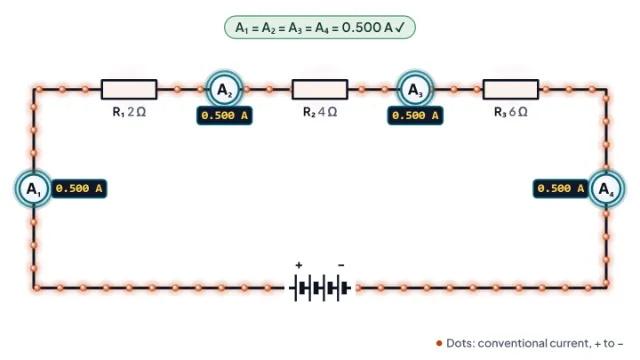
- Series and parallel circuitsChapter 16: Electricity
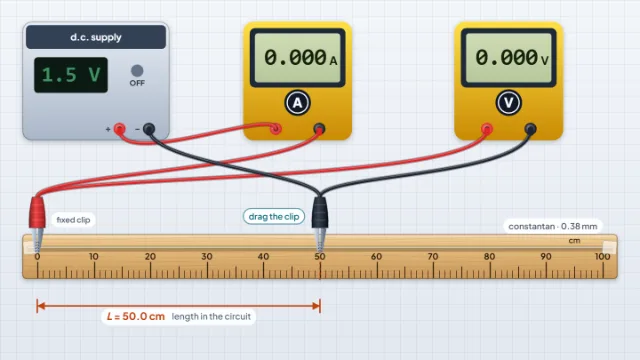
- Resistance of a wireChapter 16: Electricity
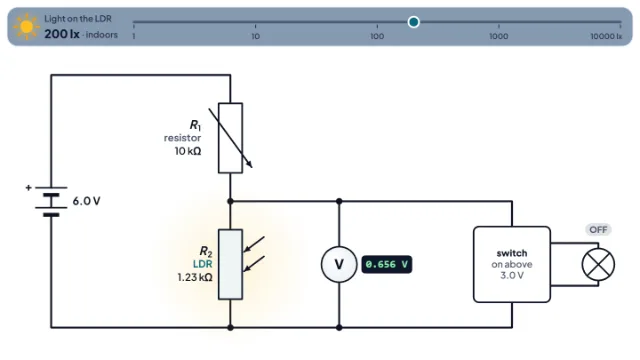
- LDRs, thermistors and potential dividersChapter 16: Electricity
- Cost of electricityChapter 16: Electricity
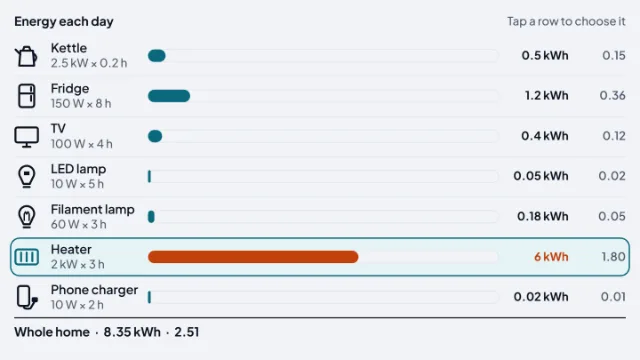
- Mains electricity and safetyChapter 16: Electricity
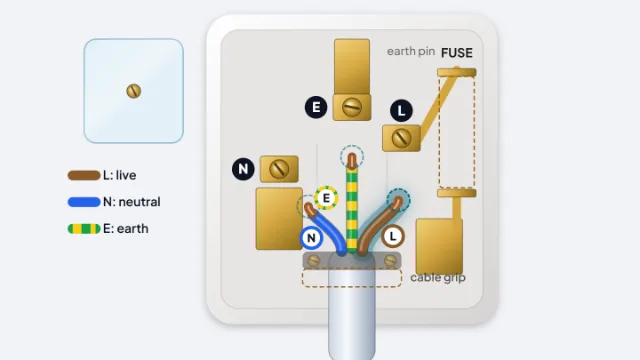
- Magnetic fields in 3D (wire, coil and solenoid)Chapter 17: Electromagnetism
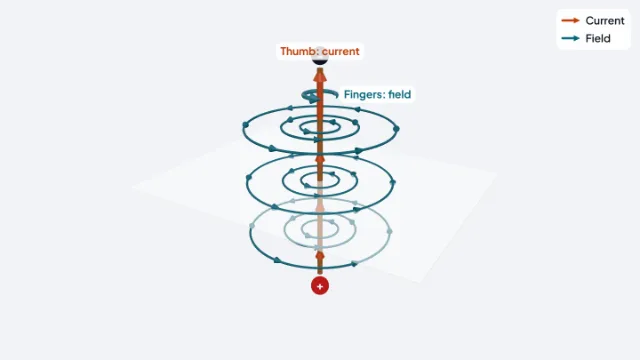 3D
- Magnetic field around a wire and solenoidChapter 17: Electromagnetism
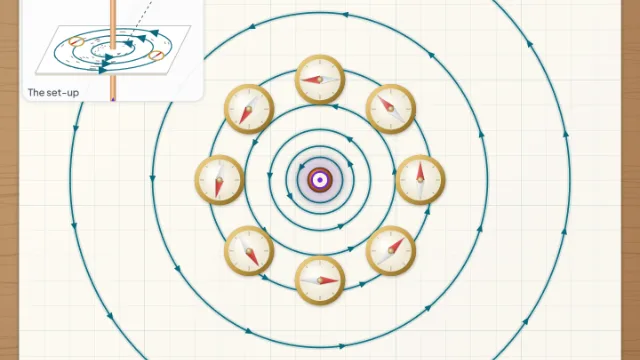
- The motor effectChapter 17: Electromagnetism
- DC motor in 3DChapter 17: Electromagnetism
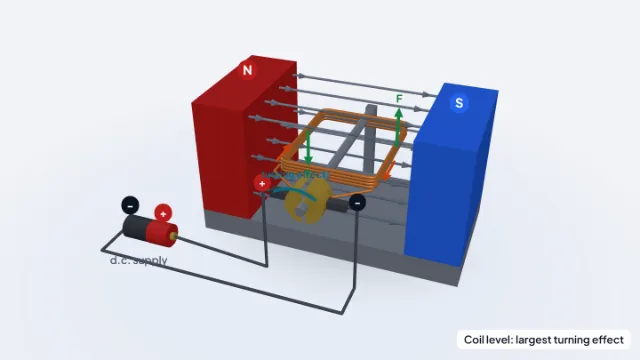 3D
- Loudspeakers and microphonesChapter 17: Electromagnetism
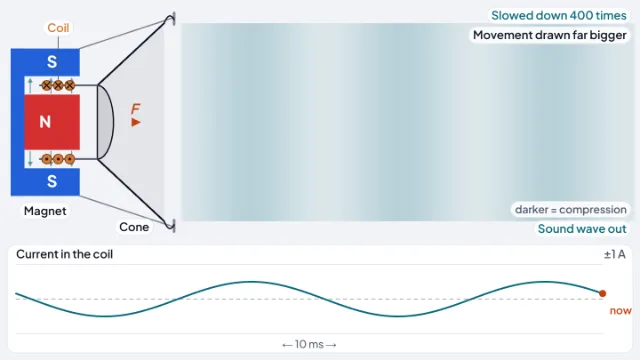
- Magnetic field of a bar magnetChapter 17: Electromagnetism
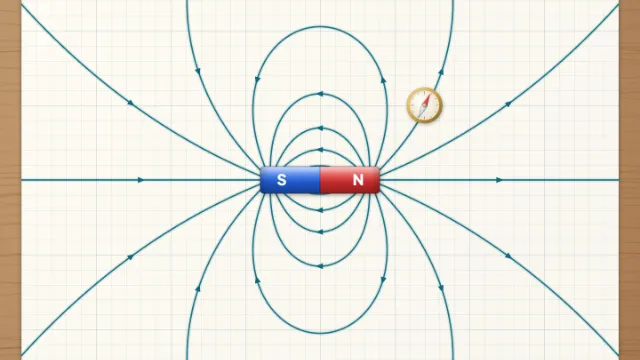
- Electromagnetic inductionChapter 18: Electromagnetic induction and electromagnetic waves
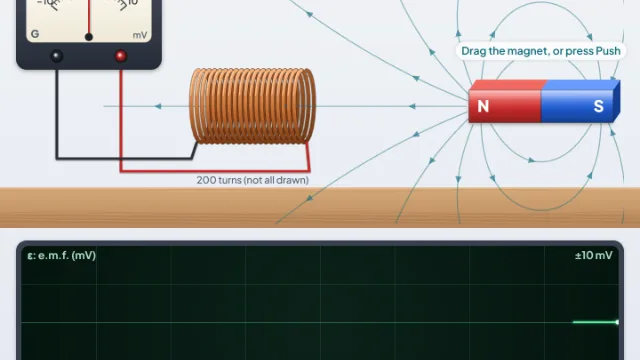
- AC generator in 3D (alternator and dynamo)Chapter 18: Electromagnetic induction and electromagnetic waves
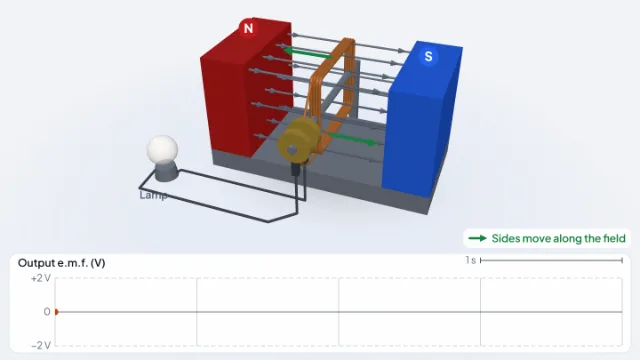 3D
- Transformers and the National GridChapter 18: Electromagnetic induction and electromagnetic waves
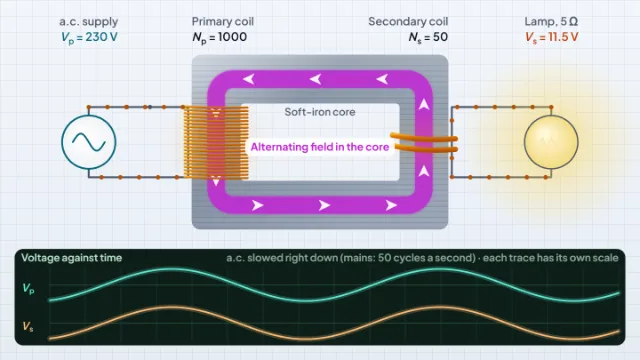
- Why the sky is blue and sunsets are red in 3D (sunlight scattering in the air)Chapter 18: Electromagnetic induction and electromagnetic waves
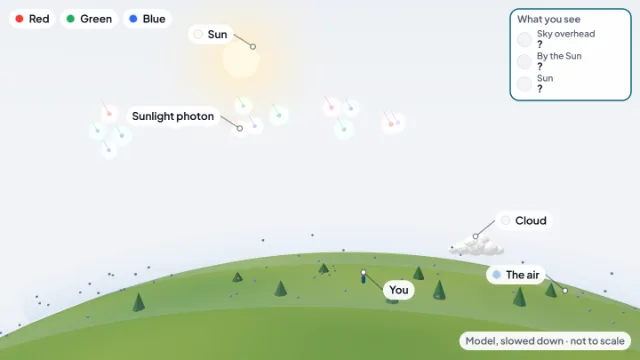 3D
- Atomic models and Rutherford scatteringChapter 20: Atomic and nuclear physics
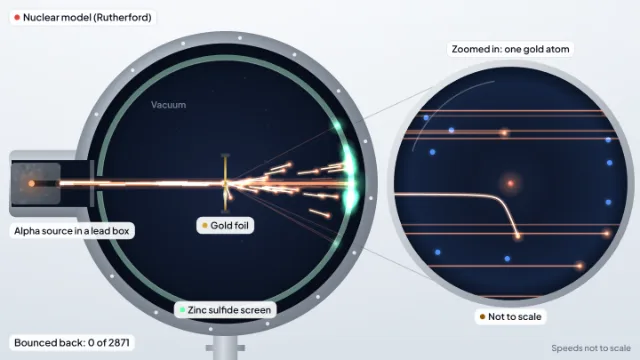
- Isotopes and atom builderChapter 20: Atomic and nuclear physics
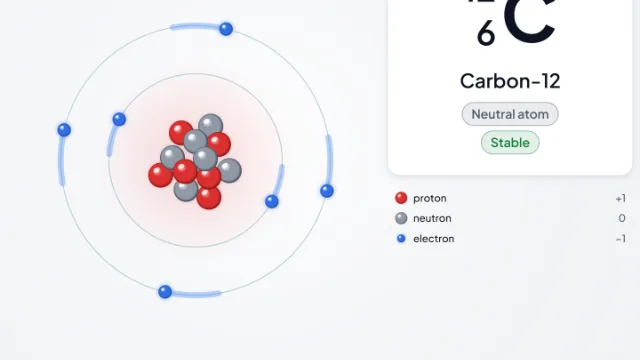
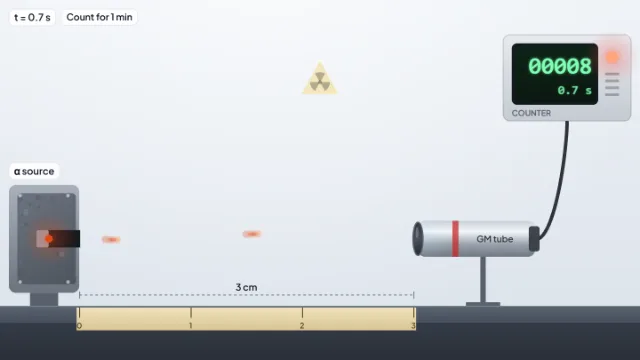
- Alpha, beta and gamma radiationChapter 20: Atomic and nuclear physics
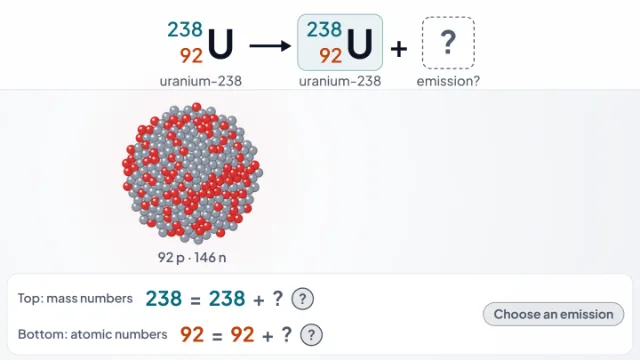
- Nuclear equationsChapter 20: Atomic and nuclear physics
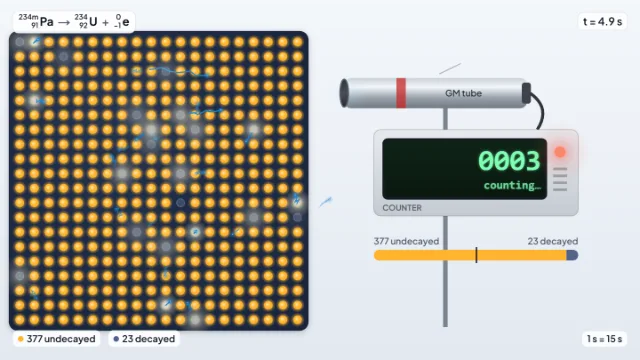
- Radioactive decay and half-lifeChapter 20: Atomic and nuclear physics
- Nuclear fission and fusionChapter 20: Atomic and nuclear physics
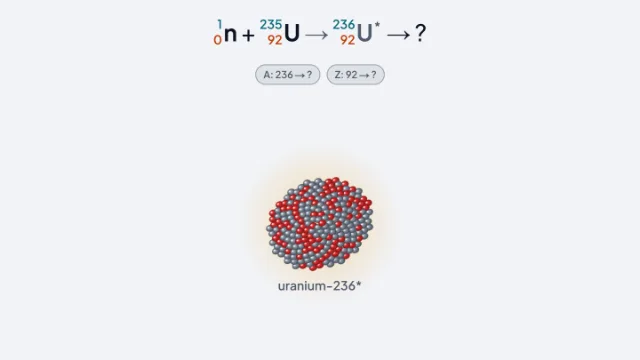
- How the Sun makes energy in 3D (hydrogen fusing into helium)Chapter 20: Atomic and nuclear physics
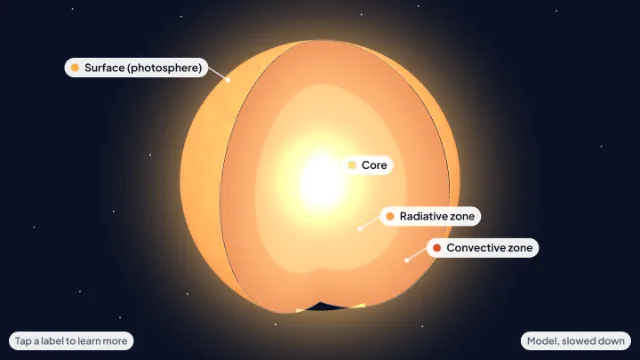 3D
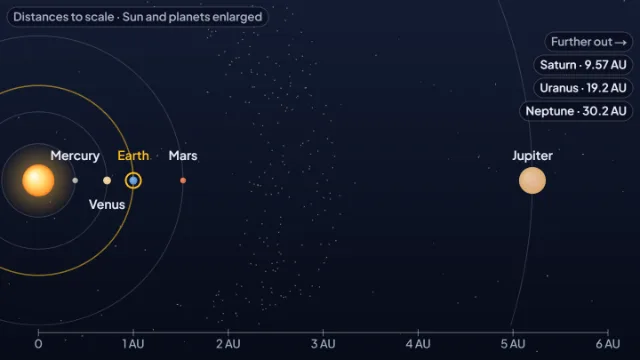
- Solar system to scaleChapter 21: Space and environment
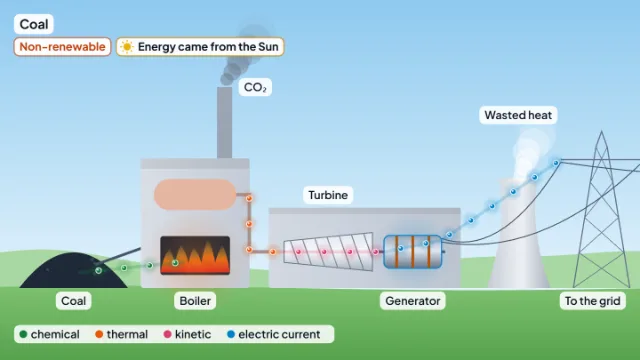
- Energy resourcesChapter 21: Space and environment
Equations
Every equation in the course, split by whether you must learn it or it is given to you in the exam.
You need to remember this
20- Charge, current and timecharge flow = current × time
- Critical anglerefractive index = 1 ÷ sin(critical angle)
- Electrical energy (E = IVt)energy transferred = current × potential difference × time
- Electrical power (P = I²R)power = (current)² × resistance
- Electrical power (P = IV)power = potential difference × current
- Electromotive force (e.m.f.)e.m.f. = work done by the source ÷ charge
- Energy, charge and potential differenceenergy transferred = charge flow × potential difference
- Force on a current-carrying conductorforce on a conductor (at right angles to a magnetic field) carrying a current = magnetic flux density × current × length
- Magnificationmagnification = image height ÷ object height
- Period and frequencyperiod = 1 ÷ frequency
- Potential difference, current and resistancepotential difference = current × resistance
- Potential dividerR₁ ÷ R₂ = V₁ ÷ V₂
- Refractive index (Snell's law)refractive index = sin(angle of incidence) ÷ sin(angle of refraction)
- Refractive index and the speed of lightrefractive index = speed of light in a vacuum ÷ speed of light in the material
- Resistors in parallel1 ÷ total resistance = 1 ÷ R₁ + 1 ÷ R₂
- Resistors in seriestotal resistance = R₁ + R₂
- Specific heat capacitychange in thermal energy = mass × specific heat capacity × temperature change
- Specific latent heatthermal energy for a change of state = mass × specific latent heat
- Transformer turns ratiop.d. across primary coil ÷ p.d. across secondary coil = number of turns in primary coil ÷ number of turns in secondary coil
- Wave speedwave speed = frequency × wavelength
Next step
Ready? Start with Chapter 10: Thermal physics
Read each topic guide, try the simulation, then check yourself with the quick questions at the end.